
By K Sree Bhanu & K Gayatri Pavani
Certified Baby Sleep Consultants | Sleep and Wellness
.jpg)
.jpg)
.jpg)
Winter brings shorter days, colder nights, and a shift in how our homes feel. For parents, it also brings questions—lots of them. Why is my baby suddenly waking every hour? Is the room too cold? Too warm? Should I add another layer, or am I overdressing?
As certified baby sleep consultants at Sleep and Wellness Clinic, K. Sree Bhanu and I, K. Gayatri Pavani, have worked with families through countless winter seasons in Chennai and beyond. Whether you're managing mild winters in India or extreme cold in Canada, the principles of safe sleep in winter remain consistent—though the application varies.
Cold weather, dry indoor air, early darkness—these affect how babies regulate their body temperature, how comfortable they feel, and even how their circadian rhythms settle. Small environmental changes can turn a peaceful sleeper into a restless one, and simple, thoughtful adjustments can restore that peace. This isn't about achieving perfect conditions. It's about knowing what to look for, what matters most, and what you can let go of. Winter sleep challenges are common, manageable, and temporary.
Babies are extraordinarily sensitive to their environment. When the temperature drops outside, the air inside changes too—even if you're running a heater. Humidity drops. The air becomes drier. Nighttime temperatures can fluctuate more than you realize, especially in rooms that aren't climate-controlled.
Unlike adults, babies can't pull a blanket over themselves or adjust their clothing. They rely entirely on us to create the right conditions. Because their bodies are still learning to regulate temperature efficiently, even a small shift—two or three degrees—can affect their comfort and sleep.
Does winter cause sleep regression? No, winter itself doesn't cause sleep regression. However, the environmental changes that come with it—temperature fluctuations, dry air, and altered light patterns—can certainly disrupt sleep patterns if not properly managed.
Reduced daylight also plays a significant role. Babies' internal clocks are still developing, and they depend on natural light cues to distinguish day from night.
When it gets dark at 5 p.m., that confusion can lead to earlier bedtimes that don't stick, fragmented nights, or early morning wake-ups that leave everyone exhausted.
Then there's the dryness. Heated indoor air strips moisture from the environment, which can dry out nasal passages and throats. For babies, this means increased congestion, discomfort, and more frequent waking. Even if your baby isn't sick, dry air alone can disrupt sleep quality. Once you understand why winter affects sleep, you can respond with clarity instead of worry.
The ideal range sits between 20°C and 22°C (68°F to 72°F). This range supports safe, comfortable sleep without the risk of overheating, which is a more serious concern than mild coolness.
Many parents we work with worry their baby will be too cold and crank up the heater. But overheating increases the risk of Sudden Infant Death Syndrome (SIDS), according to guidelines from the American Academy of Pediatrics. Babies sleep more safely—and often more soundly—in a slightly cooler room than in one that's too warm.
Consistency matters more than warmth. A room that hovers around 21°C all night is better than one that starts at 24°C and drops to 18°C by morning. Temperature fluctuations wake babies, even if they don't fully rouse. Their bodies notice the change, and sleep becomes lighter and more fragmented.
Yes, but with precautions. Set it to maintain a steady temperature rather than running it on high and then switching it off. It's often better to turn the heater off once the room reaches the ideal temperature to prevent overheating.
Portable heaters should be placed away from the crib, never near curtains or bedding, and ideally should have an automatic shut-off feature. Room thermometers are inexpensive and take the guesswork out of monitoring conditions overnight.
In milder winter climates—like parts of India or Australia—you might not need a heater at all. Maintain a fan with low speed to keep air circulating without causing a chill. If using air conditioning, try to keep it at 25°C, which provides comfort without excessive cooling.
Babies can wear two layers comfortably in winter. Layering is key to winter baby sleep tips, but it's not about piling on clothes. It's about choosing the right combination that keeps your baby comfortable without restricting movement or causing overheating.
A good rule: dress your baby in one more layer than you'd wear to sleep comfortably in the same room. If you're comfortable in a t-shirt and light blanket, your baby might need a onesie and a sleep sack. If you need a sweater, your baby might need a long-sleeved onesie plus a slightly warmer sleep sack.
For newborns, a full-body onesie with feet, plus a swaddle or a wearable blanket, usually works well. Newborns can wear socks, a full onesie, and an extra sweater to stay warm. Newborns lose heat more easily than older babies, so that extra layer is important—but watch for signs of overheating.
For infants between three and twelve months, a long-sleeved onesie or footed pajama plus a sleep sack provides warmth without the dangers of loose blankets. Sleep sacks come in different tog ratings—a measure of warmth. In winter, a 2.5 tog is generally appropriate for cooler rooms, while a 1.0 tog works for milder climates or well-heated homes.
Toddlers can wear a nightsuit with an extra thermal layer or sweater to bed. Once they're old enough to safely use a blanket—typically after 18 months, though some families wait longer—you can offer one, but many toddlers kick blankets off anyway. A warmer sleep sack or footed pajamas often works better.
No, blankets are not safe for babies under 12 months. Instead, use two layers of clothing. The World Health Organization and AAP both emphasize that loose bedding increases suffocation risk. Blankets might seem like the obvious solution to winter cold, but they're not safe for young babies. This is one of the key safe sleep practices we emphasize with all our clients.
Check your baby's bum or the back of their neck. Parents often check their baby's hands or feet to gauge temperature. Those body parts are almost always cool to the touch, even when a baby is perfectly comfortable. Hands and feet are poor indicators because babies' circulation is still developing, and blood flow naturally prioritizes the core.
The most reliable place to check is the back of your baby's neck or their chest. Slip your hand under their clothing and feel the skin. It should be warm and dry—not hot, not sweaty, and not cold or clammy.
Yes, babies can overheat in winter unless you're careful about layering. If the skin feels hot or damp, your baby is too warm. Remove a layer or adjust the room temperature. If it feels cool, add a layer or check that the heater is maintaining a steady temperature.
Watch for other signs too. A baby who's too warm might have flushed cheeks, rapid breathing, or damp hair. A baby who's too cold might seem unusually fussy, have a hard time settling, or feel cool across their torso—not just their extremities.
Yes, in winters babies can wear socks to keep them warm. However, if your baby is dressed in footed pajamas or a onesie with a sleep sack, socks aren't necessary. Many babies are comfortable without them.
Trust your observations. You know your baby better than any chart or guideline. If something feels off, small adjustments can make a big difference.
Newborns are the most vulnerable to temperature changes. Their bodies don't regulate heat efficiently yet, and they can't signal discomfort the way older babies can. Room-sharing is recommended for at least the first six months, which makes it easier to monitor them overnight.
Should newborns be swaddled differently in winter? In winter, the swaddle remains the same, but instead of cotton, you can use a fleece swaddle. Swaddling remains safe and helpful for newborns, but choose your fabric wisely. If the room is well-heated, stick with cotton and add a onesie underneath.
Can newborns sleep in cold rooms? Newborns can sleep in rooms that are slightly cool (around 20-22°C), but they need appropriate layering to stay comfortable. They should never sleep in genuinely cold rooms without proper heating and clothing adjustments.
Newborns also feed more frequently, which means more nighttime disruptions. Winter doesn't change their feeding needs, but you'll need to consider how to keep them comfortable during those middle-of-the-night changes and feeds. Keep a onesie and fresh diaper nearby so you're not fumbling in the cold. If you're experiencing frequent night wakings, temperature discomfort might be one factor to consider.
Safe sleep guidelines remain the same year-round: back to sleep, firm mattress, no loose bedding, no hats during sleep. Hats can cause overheating and should only be used during waking hours in genuinely cold environments. For comprehensive guidance on newborn sleep support, we work closely with families during those challenging early months.
Why does my infant wake more often at night in winter? Babies may wake often due to room temperature fluctuations or cold and cough. Infants in this age range are often moving more—rolling, sitting, eventually standing. They're also more aware of discomfort, which means congestion or dry air can wake them more easily than it would a newborn.
Winter is a common time for increased night waking, not because of the season itself, but because of what comes with it: dry air, minor congestion, and disrupted routines due to holiday travel or changes in daylight. Maintaining consistent bedtime routines helps anchor their circadian rhythm even when external cues shift.
Is it normal for babies to wake more often in cold weather? No, it's not normal for babies to wake more often in winter just because of the cold. Room environment and clothing play a major role in baby sleep in cold weather. However, parents often overlook these factors and inadvertently make things worse.
If your infant is waking more often, check the room environment first. Is the air too dry? A humidifier can help, particularly in heated homes. Is the temperature steady? A small adjustment might be all it takes. Understanding baby sleep disturbances can help you identify what's truly causing the issue.
Congestion is common in winter, even without illness. Dry air irritates nasal passages, and babies this age are mouth breathers when their noses are blocked. If congestion seems to be disrupting sleep, a cool-mist humidifier and saline drops before bed can offer relief. If symptoms persist or worsen, consult your pediatrician.
Why does my toddler resist bedtime more in winter? Toddler bedtime resistance often increases in winter due to early darkness and disrupted circadian rhythms. Toddlers are old enough to notice when it gets dark early, and they might resist bedtime more because their internal clock hasn't adjusted yet. They're also at an age where they seek comfort and reassurance, and winter's cozy, close-quarters feeling can increase bedtime negotiations.
Does early darkness affect toddler sleep? Yes, early darkness can be disorienting. If your toddler suddenly seems wide awake at bedtime or wakes earlier in the morning, consider whether their circadian rhythm has shifted. Blackout curtains help manage early morning light, and a consistent bedtime routine signals that sleep time is approaching, even if it feels early.
Toddlers can safely sleep with a light blanket once developmentally ready and in line with pediatric guidance, and many find comfort in it. A nightsuit with a thermal layer or a light sweater works well, and you can let them choose their pajamas if that helps with bedtime cooperation.
Bedtime resistance in winter often has less to do with temperature and more to do with routine and connection. A calm, predictable wind-down period helps. Avoid screens close to bedtime, as blue light further disrupts their already-confused internal clock. If you're struggling with bedtime battles or distinguishing between normal resistance and genuine sleep disturbances, professional guidance can help.
One of the most overlooked aspects of baby sleep in cold weather is air quality. Heated air is dry air, and dry air affects more than just comfort—it affects how well babies breathe and how deeply they sleep.
Does dry air affect my baby's sleep? Yes, too much dry air keeps babies awake more often. To prevent this, use a humidifier. Dry nasal passages become irritated and inflamed, which leads to congestion even without infection. For babies, who breathe primarily through their noses, this is a significant sleep disruptor. You might notice snoring, mouth breathing, or more frequent waking.
Should I use a humidifier for baby sleep? Yes, in winters you can use a humidifier. A cool-mist humidifier can help restore moisture to the air. Place it away from the crib, clean it regularly to prevent mold, and aim for a humidity level around 40–50%. Too much humidity creates its own problems, so a hygrometer—an inexpensive device that measures humidity—can be useful.
Can congestion disrupt infant sleep? Yes, congestion often causes babies to wake up frequently. Saline nasal drops before bed can ease congestion. They're safe for all ages and help clear passages without medication. For older infants and toddlers, a warm bath before bed can loosen mucus and provide comfort. If congestion is severe, persistent, or accompanied by fever, difficulty breathing, or signs of illness, seek medical advice. Winter sleep disturbances are normal to a point, but they shouldn't involve struggling to breathe or significant distress.
Winter doesn't change safe sleep guidelines—it just makes them more important to remember. Parents often worry about their baby being cold and make choices that, while well-intentioned, increase risk.
No loose bedding. This includes blankets, quilts, and comforters. Sleep sacks and wearable blankets are the safe alternative for babies under 12 months, and many families continue using them well into toddlerhood. No hats during sleep. Hats trap heat and increase the risk of overheating. Babies lose excess heat through their heads, so covering them defeats that natural cooling mechanism.
Keep the crib clear. No stuffed animals, no pillows, no crib bumpers. The NHS and other health organizations are clear on this: the safest sleep environment is a bare one.
Room-sharing without bed-sharing is recommended for at least the first six months, ideally the first year. This allows you to monitor your baby's breathing and comfort without the risks associated with bed-sharing, which increase in winter when heavy blankets and bedding are more common. If you're tempted to bring your baby into bed because they seem cold, resist. Add a layer to their clothing or adjust the room temperature instead. Bed-sharing in winter carries additional suffocation risks due to the typical use of heavier bedding.
Baby wakes frequently despite being dressed appropriately. Room temperature isn't stable, or dry air is causing discomfort. Check that your heater maintains a steady temperature. Add a humidifier if the air is dry. Monitor the back of your baby's neck for temperature cues.
Baby seems uncomfortable and fussy at bedtime. Too many or too few layers, or mild congestion. Reassess clothing. Use saline drops if congestion seems present. Ensure the room is at a comfortable, consistent temperature.
Toddler resists bedtime more than usual. Early darkness and disrupted circadian rhythm. Keep bedtime consistent. Use blackout curtains to manage light. Build in a calming pre-sleep routine that signals bedtime clearly.
Newborn's hands and feet feel cold. Normal circulation patterns, not necessarily discomfort. Check core temperature at the back of the neck or chest. If warm and dry, your baby is fine. Consider adding socks if it reassures you, but it's often unnecessary.
These challenges are common and manageable. Most don't require dramatic intervention—just small, thoughtful adjustments based on observation. If you're finding it difficult to navigate these issues on your own, our sleep consultation services provide personalized support.
Most winter sleep challenges resolve with small environmental adjustments. Sometimes, though, sleep disruption signals something more.
Sleep disturbances are a medical concern if your baby has nasal blockage, rapid breathing, cold or cough, or wakes up with itchy or extremely dry skin. If your baby shows signs of nasal blockage severe enough to affect breathing, if they're breathing rapidly or with visible effort, if they develop a persistent cough or cold, or if they wake with extremely dry, itchy, or irritated skin, consult your pediatrician. These symptoms can interfere with sleep and may require treatment beyond what environmental changes can provide.
changes can provide. If sleep disturbances are significant and ongoing—beyond what you'd expect from seasonal adjustments—it's worth exploring whether something else is at play. Sleep regressions, developmental leaps, and other factors can coincide with winter, and sometimes professional guidance helps untangle what's contributing most.
Winter can be a long, isolating season for parents, especially when sleep is already fragmented. Reaching out, whether to a healthcare provider or a baby sleep expert, is a sign of strength. At Sleep and Wellness Clinic, we're here to support you through these challenges.
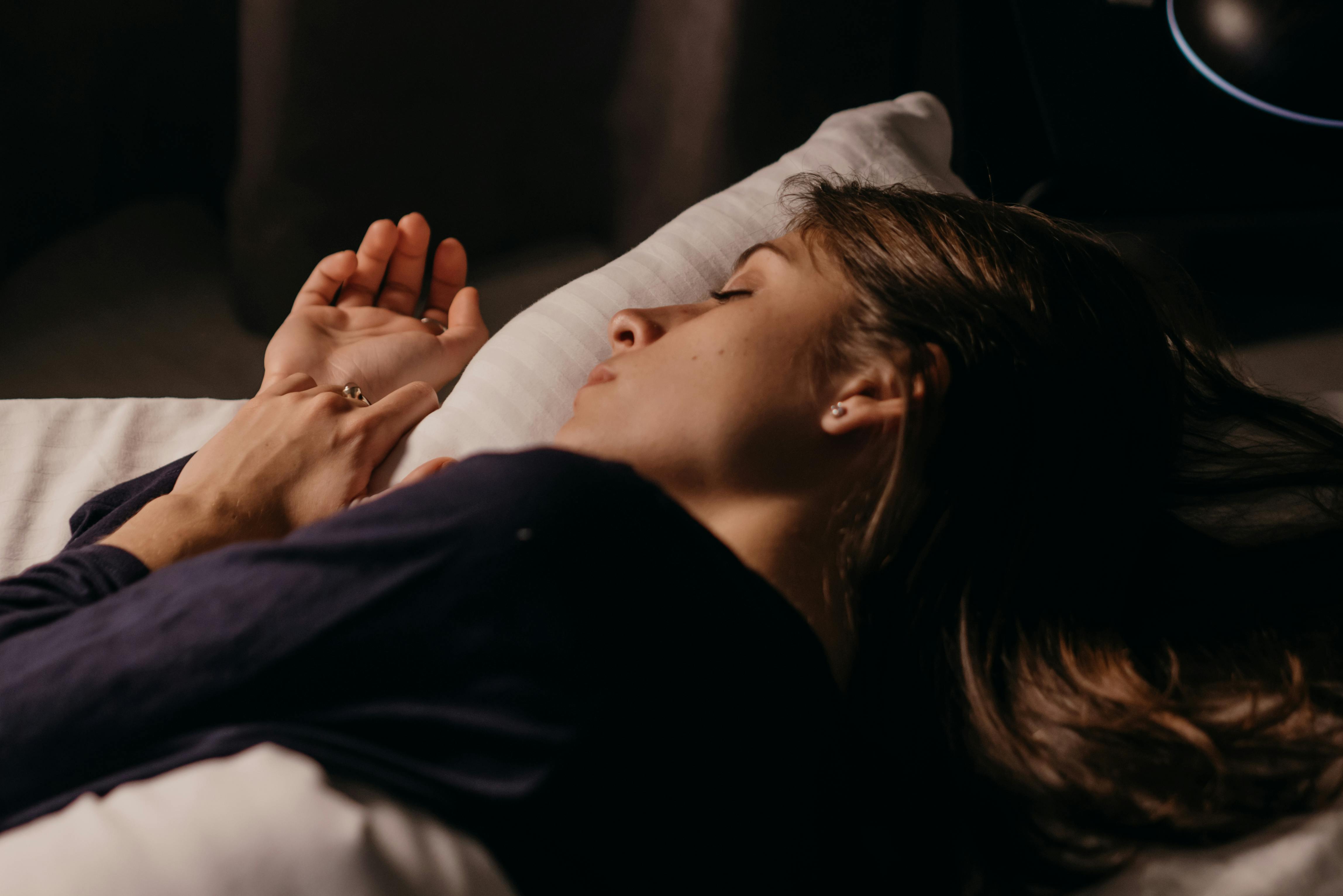
Good Sleep Changes Everything: Expert Gentle Sleep Training That Actually Works
Most of us know what it feels like to lie awake at 2 AM, staring at the ceiling. Or to drag ourselves out of bed after ...
Read More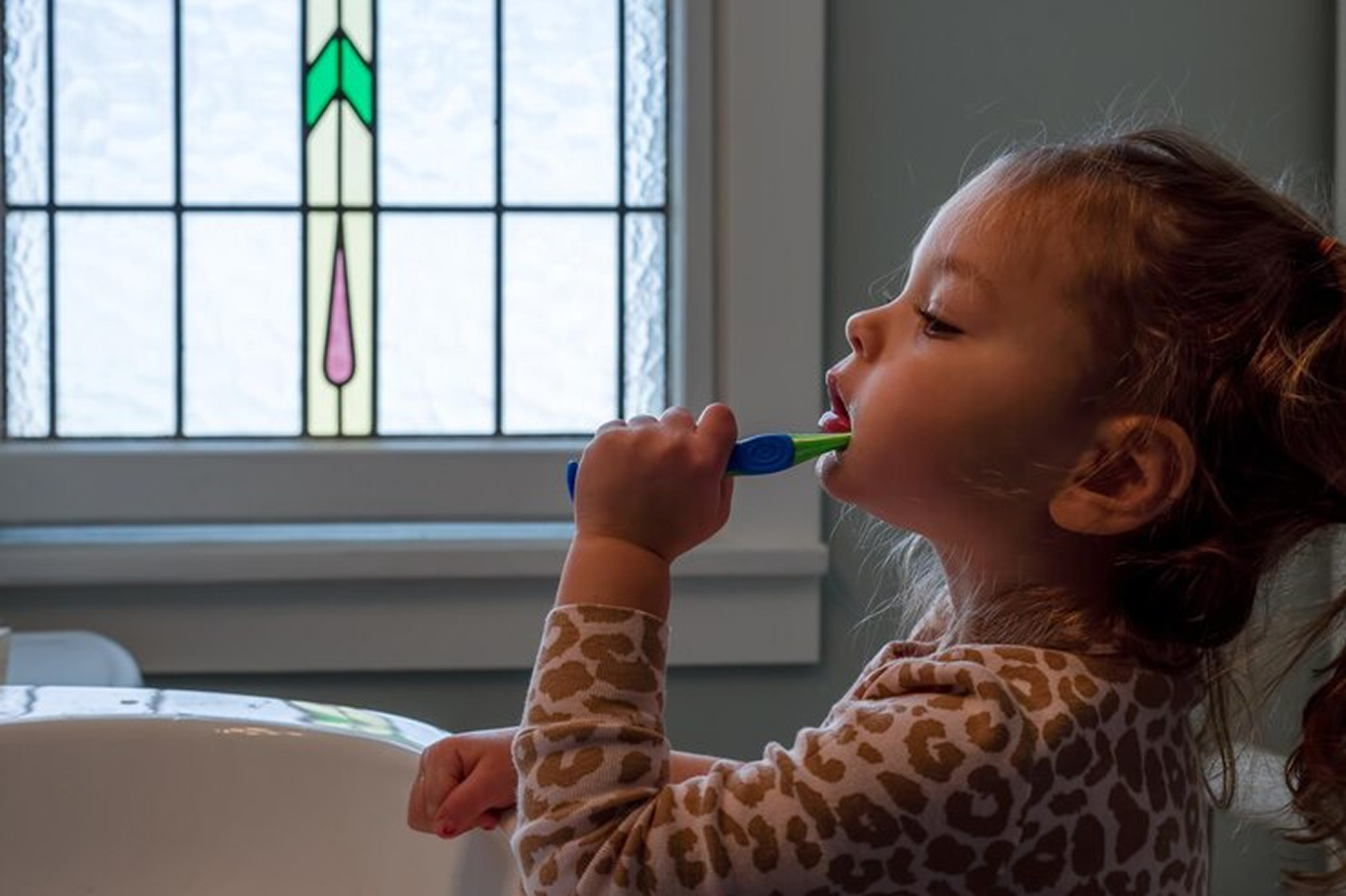
Teething and Sleep: What’s Really Keeping Your Baby Up at Night?
You’re up at 2 AM again, pacing the hallway with a baby who seems wide awake and entirely uninterested in going back ...
Read MoreWinter doesn't have to mean sleepless nights. It does mean paying closer attention to your baby's environment, adjusting layers thoughtfully, and staying responsive to their cues. Small changes—steadying the room temperature, adding a humidifier, choosing the right clothing—can make a significant difference. As certified baby sleep consultants, K. Sree Bhanu and I have worked with families who felt overwhelmed by winter sleep challenges. We've watched them find their footing once they understood what was happening and what they could control. You don't need perfect conditions. You need to be observant, flexible, and willing to trust yourself. Your baby is resilient. So are you. Winter is temporary, and the sleep challenges it brings are manageable. Focus on safety first, comfort second, and give yourself permission to adjust as you go. Some nights will be harder than others. If you're struggling, you're not alone. Support is available. Keep observing, keep responding, and trust that you're doing exactly what your baby needs—even on the nights when it doesn't feel that way. For personalized support tailored to your family's unique situation, reach out to us at Sleep and Wellness Clinic. We're here to help you navigate winter sleep challenges and every other stage of your child's sleep journey.
Read Next: Is Overfeeding Disrupting Your Baby's Sleep? – – Understand overfeeding signs and how it directly impacts baby's ability to sleep soundly.